7 Integrative Body Mind Training Techniques
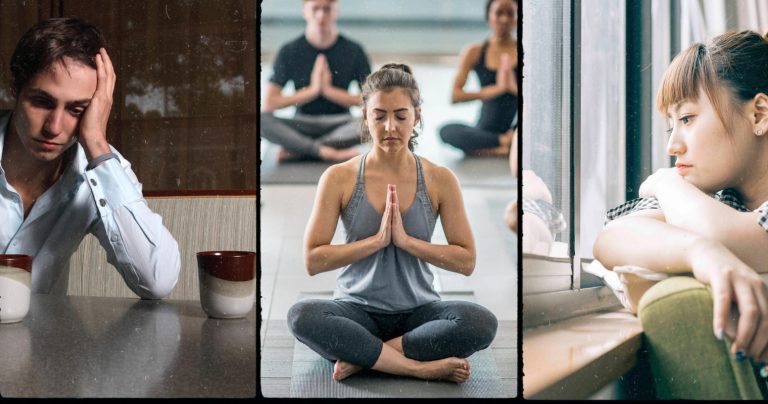
I used to feel like my body and mind were living separate lives. My thoughts raced while my body held tension I couldn’t explain. Nothing shifted—until I found Integrative Body-Mind Training.
IBMT is a science-backed meditation method that helped me reconnect the two—gently, effectively, and without overwhelm. It’s subtle, but powerful. You don’t just feel calmer—you feel more whole.
As a meditation teacher, I’ve seen this practice help students build emotional regulation, self-awareness, and long-term resilience. In this guide, I’ll show you how Integrative Body-Mind Training works and how to start practicing it yourself.
What Is Integrative Body-Mind Training?
IBMT consists of exercises that focus the mind on the body during movement. Why would that be a good thing? Well I’ve seen from my teaching how many people misunderstand bodily sensations, often associating them with stress or discomfort rather than simply acknowledging them. This misinterpretation can lead to unnecessary mental distress. IBMT helps stop that distress.
Example: I once had a student who, when they felt tightness in their chest, assumed something was wrong. IBMT taught them to observe the sensation without judgment. This helped them foster a healthier mind-body relationship.
How Emotions Affect the Body
Emotions create physical sensations, reinforcing the importance of body-mind awareness:
| Emotion | Physical Sensation |
|---|---|
| Happiness | Relaxation, readiness |
| Love | Warmth in the chest, reproductive system activation |
| Pride | Strength in the chest and head |
| Anger | Tension in hands, chest, and jaw |
| Fear | Fight-or-flight activation |
| Anxiety | Chest tightness, increased heart rate |
| Depression | Reduced bodily activation |
Training the body and mind together can help regulate these emotional responses and foster resilience.
7 IBMT Techniques
1. Mindfulness Meditation
Mindfulness is the foundation of IBMT. It increases awareness of physical sensations and emotions, reducing overthinking and promoting clarity.
Try This:
Sit comfortably with good posture. Proper alignment fosters confidence and relaxation.
Close your eyes and take ten deep breaths.
Focus on sensations in the crown of your head. Observe them without judgment.
Move your attention slowly down your body, breathing deeply with each shift.
Continue until you’ve scanned your entire body.
“Mindfulness meditation creates calmness and improves self-awareness, helping with stress management.” — American Psychological Association
2. IBMT Breathing Meditation
Breath awareness slows your breathing rate, leading to relaxation.
Try This:
Sit with a straight but relaxed spine.
Close your eyes.
Breathe in through your nose, observing the breath.
Breathe out through your mouth, watching the exhalation.
Continue for 108 breaths.

3. Zen Walking Meditation
Zen walking is a slow, meditative practice that heightens awareness of movement.
Try This:
Find a 20-meter path.
Stand at one end and take ten mindful breaths.
Begin walking slowly, observing how your legs move.
Label movements (e.g., “Left foot rising,” “Right foot stepping forward”).
Turn around at the end and repeat.
Research from the University of Mississippi shows that Zen Walking reduces anxiety and depression.
4. Progressive Muscle Relaxation
Tensing and relaxing different muscle groups improves bodily awareness and relieves stress.
Benefits:
Reduces anxiety
Improves sleep quality
Lowers blood pressure
Relieves pain
Recommended Resource: Guide on Progressive Muscle Relaxation from Anxiety Canada
5. Biofeedback Training
Biofeedback uses devices to monitor physiological states, allowing you to consciously regulate them.
Benefits:
Reduces migraines
Lowers blood pressure
Improves self-regulation
Studies show biofeedback can help with conditions like hypertension and chronic pain.
6. Mindful Yoga
Certain yoga styles, like Yin Yoga, emphasize deep awareness of bodily sensations.
Try This:
Get into Downward Dog pose.
Tune in to body sensations.
Make small adjustments and observe changes.
Continue through poses like Child’s Pose, Warrior I, and Mountain Pose.
7. Tai Chi & Qigong
These ancient Chinese practices integrate slow, mindful movement with deep breathing.
A Harvard report highlights that Tai Chi and Qigong reduce anxiety and depression.
Recommended Resource: Tai Chi for Beginners by Dr. Paul Lam
Why IBMT Matters
For centuries, Western medicine has treated the mind and body separately—therapy for the mind, medicine for the body. However, true well-being requires integrating the two.
By becoming more aware of bodily sensations, we enhance self-awareness, regulate emotions, and improve overall health.
Struggling to Connect Mind and Body?
I get it—meditation and other types of IBMT can sometimes feel confusing or even frustrating, like your mind and body just won’t sync up. I’ve been there myself. What helped me was simple, grounded practices that didn’t ask for perfection—just presence.
If you’re feeling stuck or disconnected, you don’t have to figure it out alone. Book a private session with me, and we’ll work together to help you feel more grounded, connected, and at ease in your own skin. Let’s find that flow, one breath at a time.

Paul Harrison is a meditation teacher with 25 years of experience and a deep passion for helping others. Known for his empathy and authentic approach, he’s dedicated to guiding individuals and teams toward mindfulness, clarity, and well-being.