Best Meditation for Fear and Phobias [Scripts]
The best meditations for fear and phobias don’t erase fear—they teach you how to face it without shutting down. They help calm the mind, steady the breath, and shrink anxiety back to something you can hold.
I’ve worked with people frozen by panic, haunted by memories, or just quietly overwhelmed—and I’ve seen these practices bring real relief. In this guide, you’ll find meditation scripts I’ve used in private sessions to help students turn fear into something they can meet with clarity.
Guided Meditation for Fear (Script + Video)

This meditation focuses on confronting and processing your fears directly. Here’s a step-by-step script to guide you through the practice.
1. Prepare for Meditation
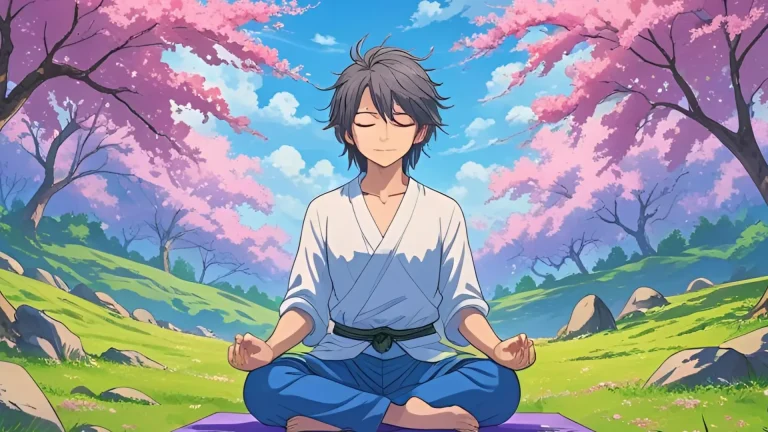
- Sit comfortably, with your feet shoulder-width apart. Keep your spine straight and relaxed, lightly tucking in your chin to elongate your neck.
- Close your eyes and focus on your breathing as you would in Anapanasati (mindful breathing). Watch your breath move in and out of your body for a few minutes.
2. Confront Your Fear
- Recall the fear or phobia you want to address. Visualize it in vivid detail. For example, if you’re afraid of speaking in public, imagine yourself on stage.
- Allow the scene to unfold naturally. Let your fear play out and notice your emotions. Remember to label those emotions as they arise: “This is just a thought, this is just a feeling.”
3. Move Through the Fear
- Continue the visualization until the fear scenario reaches its natural conclusion. For example, if you’re imagining speaking in public, visualize yourself finishing the speech, feeling relief and pride.
- Now, focus on the positive outcome. Imagine how good you’ll feel once the fear is over. Visualize the freedom and confidence that comes from overcoming this fear.
4. Relax and Let Go
- After processing the fear, return to mindful breathing for another 10 minutes to relax and ground yourself.
Easier Meditations for Fear
If you find the above script too intense or prefer a gentler approach, here are some additional meditation techniques that can help reduce fear and anxiety.
- Anapanasati (Mindful Breathing) This simple yet effective Buddhist meditation focuses on observing your breath. It promotes calmness and relaxation, counteracting the anxiety associated with fear.
- Trait Mindfulness Mindfulness teaches us to stay present. Instead of worrying about future scenarios, like “What if I fail?” focus on the here and now. Notice the safety and peace in the present moment.
- Mudras for Fear Mudras are symbolic hand gestures used in many spiritual practices. The Abhaya Mudra, where you extend your hand with the palm facing outward (like a “stop” sign), helps invoke fearlessness and protection.
- Loving Kindness Meditation This Buddhist practice cultivates compassion. If your fears are socially rooted, such as fear of rejection, Loving Kindness will help you develop a more positive mindset toward others and yourself.
- Also consider CBT.
Why Meditation Helps with Fear
Meditation helps retrain the brain, shifting the response to fear from the “fight or flight” reaction to a more rational, controlled response. Research has shown that meditation can reduce overactivity in the amygdala, the part of the brain responsible for fear, and enhance activity in the prefrontal cortex, the brain’s decision-making center. This reduces the physical symptoms of fear, like rapid heart rate and shallow breathing, and helps you approach fear with a calm, mindful attitude.
Meeting Fear with a Steady Breath
When I first faced my panic, my heart pounded like a drum—I felt trapped in my own body. Meditation didn’t make the fear vanish, but it taught me how to sit with the shaking, notice the thought spiral, and breathe into that space until something softened. It wasn’t a heroic act—it was just breathing.
If you’re ready to learn how to respond rather than react to fear, this is how we start. I’ve guided many students from trembling hands to steady ground. Book a session with me, and let’s face it together.

Paul Harrison is a meditation teacher with 25 years of experience and a deep passion for helping others. Known for his empathy and authentic approach, he’s dedicated to guiding individuals and teams toward mindfulness, clarity, and well-being.