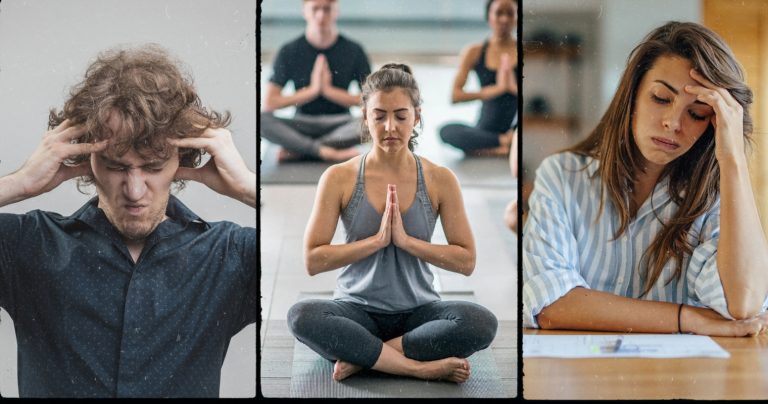
My Experience With Meditation & Panic Attacks
Today, I was talking to a friend who doesn’t meditate. When I asked why, they told me that meditation gives them anxiety attacks.
They’re not the first person to say this to me. In fact, it’s more common than you might think.
We all know meditation has incredible mental health benefits—it helps with anxiety, promotes relaxation, and supports emotional healing. But for some, meditation can trigger uncomfortable experiences, including dissociation, dizziness, and yes, panic attacks.
The key is how you practice. Every time a student tells me they’ve had a bad experience with meditation, I can usually find a flaw in their approach. The right technique will help you. The wrong one could make things worse.
In this guide, I’ll explain the link between meditation and panic attacks and how to practice safely if you’re prone to them.
What Are Panic Attacks?
Anyone who has experienced a panic attack knows how brutal they are. I remember the feeling of my heart racing, my breath shallow, every muscle painfully tense.
Panic attacks can be triggered by prolonged stress, sudden emotional shocks, or intense physical sensations. And once you’ve had one, you often live in fear of the next.
As a meditation teacher, it’s tough to hear that some people experience panic attacks because of meditation. But the flip side? Meditation can also help prevent them. How can both be true? Let’s break it down.
How Meditation Can Help with Panic Attacks
Meditation supports emotional regulation, mindfulness, and nervous system balance—all of which help prevent panic attacks.
- It activates the parasympathetic nervous system, reducing cortisol and noradrenaline (stress hormones) while promoting relaxation.
- It enhances mindfulness, helping you stay present rather than lost in anxious thoughts.
- It trains your brain to be less reactive to fear and discomfort, so distressing emotions don’t escalate into full-blown panic attacks.
If meditation is so beneficial, why does it cause panic attacks for some people?
Why Meditation Can Trigger Panic Attacks
For those with preexisting anxiety or unresolved trauma, certain meditation techniques can be overwhelming. Here’s why:
- Repressed emotions surface. Meditation can bring up deep-seated emotions. I’ve personally experienced this during an intense session, I found myself overwhelmed with grief over my father’s passing (rest in peace, Dad). If you’re not prepared, these emotions can trigger panic.
- The subconscious takes over. With our eyes closed, it’s easy to drift into daydreams. These can be pleasant—or they can unearth painful memories, which may be distressing.
- Increased awareness of bodily sensations. Meditation heightens physical awareness, which can sometimes mimic the symptoms of a panic attack, triggering one unintentionally.
If that sounds discouraging, don’t worry—there are ways to meditate safely.
Guided Meditation for Panic Attack

How to Meditate If You’re Prone to Panic Attacks
The key is to ease into meditation gently and choose grounding techniques.
Tips for Safe Meditation
- Meditate with your eyes open. This reduces the chance of slipping into overwhelming thoughts. Techniques like Zazen and Trataka traditionally use open-eye meditation.
- Use grounding techniques. Try Zen Walking Meditation or Five Senses Meditation to stay connected to your surroundings.
- Engage your rational mind. Counting breaths (1-10) or narrating your breathing (“Inhale… pause… exhale…”) keeps your thoughts structured and prevents emotional overwhelm.
- Practice mindful acceptance. Instead of fighting difficult emotions, acknowledge them with self-compassion. Resistance fuels anxiety—acceptance dissolves it.
For a personalized approach, consider booking a private meditation session with me.
Final Thoughts
As someone who has both suffered from panic attacks and taught meditation for years, I know firsthand how tricky the balance can be. Meditation can either worsen or relieve panic attacks, depending on how you practice. The key is to go slow, be intentional, and use the right techniques.
If you’re struggling with anxiety or panic attacks, meditation can be a powerful tool—when done correctly. Follow the strategies above, and if you need more guidance, book a private session with me today.

Paul Harrison is a meditation teacher with 25 years of experience and a deep passion for helping others. Known for his empathy and authentic approach, he’s dedicated to guiding individuals and teams toward mindfulness, clarity, and well-being.